
In the vast landscape of digital art and design, a distinctive aesthetic from the past has made a resounding comeback—Low-Poly. Characterized by its minimalist geometric shapes and simplified forms, low-poly aesthetics have experienced a remarkable resurgence, capturing the imagination of artists, designers, and gamers alike.
— Andrei Mishanin (@andmish) November 15, 2023https://platform.twitter.com/widgets.js
X user @andmish showcases playable footage with characters from the Pokémon anime in a lower-poly style.
A Walk Down Memory Lane: Origins of Low-Poly
Low-poly, short for low polygon, emerged in the early days of 3D computer graphics when hardware limitations imposed restrictions on the number of polygons a system could render. This aesthetic gained prominence in video games during the 1990s and early 2000s, creating iconic visuals in titles like “Final Fantasy VII” and “Super Mario 64.” The necessity of working within technical constraints gave birth to a unique and instantly recognizable style.
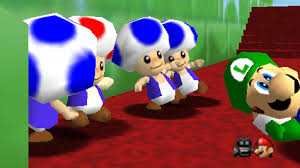
Nostalgia Meets Modernity: The Appeal of Low-Poly
In the age of hyper-realistic graphics and complex designs, the appeal of low-poly aesthetics lies in its simplicity. Artists are drawn to the challenge of conveying depth and emotion with a limited number of polygons. The aesthetic not only evokes a sense of nostalgia for the early days of 3D gaming but also provides a refreshing departure from the often overwhelming visual complexity of contemporary design.
Versatility Across Mediums
One of the remarkable aspects of the low-poly resurgence is its adaptability across various mediums. From video games and animation to graphic design and virtual reality experiences, low-poly aesthetics have found a home in diverse creative fields. The aesthetic’s accessibility allows artists to experiment with form and color, fostering a vibrant and inclusive creative community.
A Bridge Between Old and New: Gaming’s Low-Poly Renaissance
While the gaming industry has witnessed incredible advancements in graphics technology, indie developers and major studios alike are embracing the charm of low-poly aesthetics. Games like “Journey” and “Untitled Goose Game,” are some newer examples of the versatility and enduring appeal of the low-poly style, proving that innovation need not always be synonymous with realism.
The Digital Minimalist Movement
Beyond gaming and entertainment, low-poly aesthetics have permeated the broader design landscape. Digital minimalism, characterized by a focus on essential elements and the elimination of excess, aligns seamlessly with the principles of low-poly design. From branding to website interfaces, the aesthetic brings a sense of clarity and simplicity that resonates in our visually saturated digital world.
The Future of Low-Poly: A Lasting Impression
As we navigate an era dominated by high-definition visuals and intricate designs, the return of low-poly aesthetics signals a desire for simplicity, nostalgia, and a connection to the roots of digital art. Its resurgence not only pays homage to the pioneers of 3D graphics but also serves as a testament to the enduring power of design movements to captivate and inspire across generations.
In a world where technological progress often pushes boundaries, the low-poly revival reminds us that beauty can be found in limitation, and sometimes, less is indeed more.
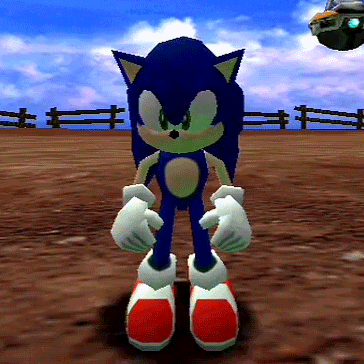
 Shadow and Pepper Studios